Trustworthy Home Appraisal Services to Amplify Your Property Value
Precise home appraisal services serve as an vital component in determining property value. They furnish sellers with vital insights into value metrics, assisting in establishing pricing strategies. Identifying the elements that shape valuations can greatly impact financial outcomes. Yet, numerous property owners remain unaware of the nuances present. What misunderstandings could hinder their ability to maximize value? Going further into this demonstrates key strategies and considerations that could reshape a property owner's approach.
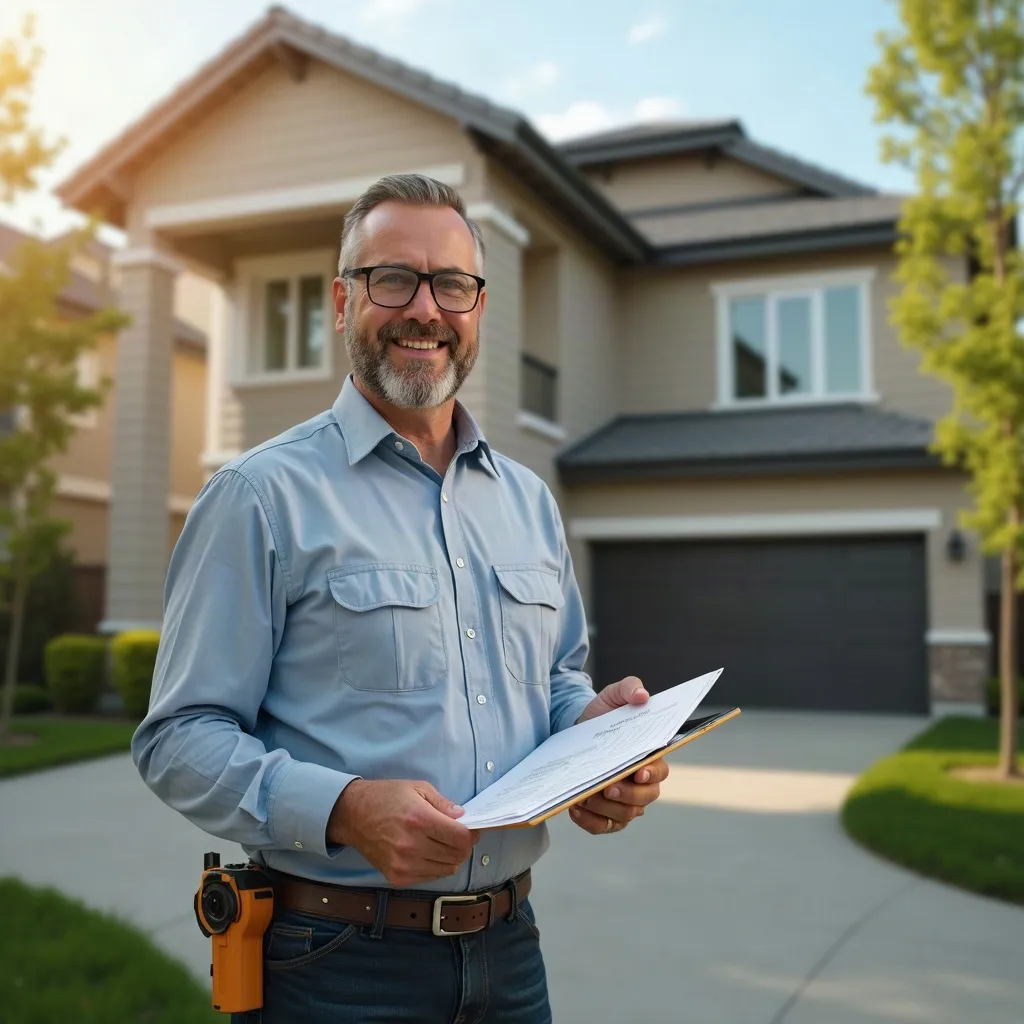
Why Correct Home Evaluations Are Important for Sellers
Accurate home appraisals are important for sellers trying to achieve a profitable transaction. A precise appraisal provides a clear understanding of the market value of a property, allowing sellers to set a reasonable price. When a home is priced rightly, it attracts a larger pool of potential buyers, increasing the likelihood of a quicker sale. Inaccurate appraisals can result in price inflation or price deflation, which may discourage buyers or cause financial loss.
Sellers stand to benefit from a complete valuation that conveys current market realities and analogous homes. This information not only instills confidence during negotiation sessions but also supports defending the asking price to potential clients. In addition, credible valuations promote successful transactions, as they can circumvent issues during the funding phase. Ultimately, selecting a dependable appraisal service can substantially improve a seller's competitive standing in the housing market.
Essential Factors That Sway Home Inspection Estimates
The assessed values of homes are significantly affected by multiple important elements. The location of a real estate is critically important, as neighborhoods with better amenities and schools typically yield greater valuations. Furthermore, the condition of the house itself is evaluated, with well-maintained properties generally achieving increased worth.
position matters when it comes to property value
The location of a property plays an essential role in establishing home appraisal values. Proximity to amenities such as schools, parks, shopping centers, and public transportation can greatly enhance a property's marketability. Neighborhood safety and overall appeal also contribute to higher appraisals, as buyers often prioritize living in sought-after neighborhoods. Additionally, local economic factors, including employment opportunities and future development plans, can affect property values. Zoning regulations and land use policies additionally shape the potential for expansion and returns in a given location. Moreover, comparable sales in the vicinity provide appraisers with crucial data, establishing benchmarks for valuation. Ultimately, a strategic location can boost interest, making it a key consideration in the home appraisal process.
Residence Condition Assessment
The general condition of a property markedly influences its appraisal value, complementing the significance of placement. Appraisers assess building soundness, encompassing the foundation, roof, and plumbing infrastructure, to determine likely maintenance expenses. A well-maintained home with modern improvements generally achieves a greater worth, while properties requiring extensive repairs may see considerable value loss. Additionally, the aesthetics, such as landscaping and interior condition, play a crucial role in initial perceptions. Energy efficiency and modern amenities can also improve appraisal outcomes, reflecting current buyer preferences. In the end, maintaining a home in good condition not only preserves its commercial worth but can also lead to quicker sales and reduced negotiation time, rendering property condition evaluations critical in the assessment procedure.
Your Home's Value and How Local Market Trends Determine It
Grasping how nearby market trends impact a home's value is key for both property owners and interested buyers alike. Real estate markets are volatile, shaped by several factors such as supply and demand, economic conditions, and neighborhood desirability. For example, in a growing community with new developments and amenities, property values usually climb. Conversely, places experiencing economic downturns may face stagnant or decreasing prices.
Seasonal cycles also play a role; homes often command higher prices in spring and summer because of more buyer activity. Additionally, local employment rates and school district performance significantly influence buyer interest and, consequently, property values.
Property owners should stay current on these market shifts to make well-informed decisions concerning their property investments. By understanding the area market patterns, they can more strategically place their homes for appraisal and potential sale, ultimately maximizing their property value.
Negotiation Methods for Buyers Employing Appraisal Findings
In the domain of home purchase, comprehending appraisal value trends is essential for effective negotiation. Buyers can harness appraisal insights to formulate strategic tactics and present compelling market comparisons to strengthen their position. By applying these strategies, they can approach negotiations with greater confidence and possibly secure a better deal.
Understand Appraisal Value Trends
How do market valuation movements determine negotiation strategies for acquisitors? Knowing these trends supplies buyers with significant knowledge into economic trends, facilitating them to make informed choices. By examining recent sales data and regional appraisals, buyers can discover whether a property is appropriately valued or inflated. This information permits them to engage in negotiations with confidence, using evidence to justify reduced bids when required. Moreover, recognizing upward or downward trends can help buyers time their purchases more efficiently, possibly circumventing excessive valuations. Also, cognizance of community market dynamics can empower acquisitors to establish practical goals, ultimately resulting in more successful negotiations. Therefore, mastering appraisal value trends is essential for calculated purchasing strategy in real estate.
Utilize Appraisal Bargaining Tactics
Applying valuation insights can significantly strengthen a buyer's negotiation tactics in real estate transactions. By comprehending the property's appraised worth, buyers can effectively argue their case in negotiations. Should the appraisal reveal a lower value than the asking price, buyers can present this data to negotiate a better deal, possibly reducing their financial commitment. Additionally, understanding specific property features and market conditions can enable buyers to challenge inflated pricing. Knowledge of comparable sales also provides leverage, permitting buyers to justify their offers. In conclusion, employing these appraisal-based strategies not only supports informed decision-making but also promotes a more equitable negotiation environment, raising the chances of a favorable outcome.
Offer Persuasive Market Evaluations
Understanding the appraised value of a property gives buyers with a strong foundation for negotiation. By showcasing persuasive comparable sales, buyers can effectively advocate for a fair price. This requires examining past transactions of similar properties in the area, concentrating on factors such as square footage, location, and amenities. Buyers should compile data from multiple sources, including local real estate listings and appraisal reports, to strengthen their position. Highlighting discrepancies between the appraised value and the asking price can prompt sellers to reconsider their stance. Additionally, demonstrating awareness of current market trends can foster confidence in the buyer's negotiation strategy, ultimately leading to a more favorable outcome in the purchasing process. Insightful comparisons can therefore be a effective instrument in negotiations.
What Misconceptions Regarding Home Evaluations Should You Overlook?
What erroneous beliefs regarding home appraisals that homeowners should abandon? Many assume that appraisals are purely opinion-based, influenced by the appraiser's personal opinions. In reality, appraisals depend on factual data, including comparable property sales and market trends. Another myth is that home improvements always boost property value. While upgrades can enhance appeal, they do not guarantee a proportional increase in appraisal value. Additionally, some homeowners think that appraisals are only required during a sale. However, getting an appraisal can be beneficial for refinancing or estate planning as well. Ultimately, the notion that appraisals are set in stone is false; values can vary based on market conditions. By dispelling these myths, homeowners can approach the appraisal process with a clearer understanding, ensuring they optimize their property value effectively.
Finding the Ideal Appraisal Service
Picking the right appraisal service can substantially determine the outcome of a property valuation. Property owners should take into account several significant factors when making their choice. First, establishing the credentials and qualifications of the appraiser is critical. Licensed appraisers with expertise in local market conditions are more able to provide accurate assessments.
Secondly, potential customers should seek referrals and read reviews to assess the standing of appraisal services. A solid history and favorable customer testimonials can be indicators of dependability.
A key factor is grasping the appraisal process and charges. Straightforward pricing and clear communication regarding techniques can boost credibility between the property owner and the appraiser.
Ultimately, evaluating the range of available services can help guarantee that the property appraiser fits various requirements, whether for mortgage refinancing, selling, or estate planning. A well-picked appraisal service can yield a more exact property value, ultimately optimizing value.
How Can I Prepare for an Appraisal?
How can property owners effectively prepare for an valuation? First, they should clear out and freshen their homes to foster an appealing atmosphere. This enhances the overall impression and allows the appraiser to zero in on the property's features rather than personal items. Next, homeowners should compile relevant documents, including past appraisals, tax assessments, and improvement receipts; this information can validate the property's worth.
Furthermore, handling small maintenance issues—such as repairing leaky faucets or refreshing scuffed walls—can significantly influence the appraisal outcome. Making sure that all systems (plumbing, electrical, HVAC) are in proper working order is also important. Ultimately, property owners should submit the appraiser with a list of latest enhancements or improvements, as these can sway appraisal value. By implementing these measures, sellers can display their properties in the best possible light, ultimately assisting in securing a favorable valuation outcome.
Recurring Inquiries Requested
How Much Time Does a Home Valuation Usually Take?
A home valuation typically takes between 30 minutes to two hours, depending on the property magnitude and complexity. Factors such as convenience and the appraiser's meticulousness can also determine the span of the process.
What skills Should an Appraiser Have?
A licensed appraiser needs to secure a state license or credential, pertinent background, and knowledge of local real estate markets. In addition, analytical proficiency and detailed attention are fundamental for accurate assessments.
Can I challenge a reduced Appraisal Value?
Yes, a property owner can dispute a low appraisal value by view this submitting documentation such as comparable sales, home upgrades, or errors in the assessment document. A official objection can lead to a reassessment of the home's worth.
How Frequently Should I Get My Home Evaluated?
Property owners should consider getting their home assessed every 3 to 5 years, chiefly after significant renovations or shifts in the marketplace. Periodic valuations help copyright an accurate grasp of a home's current worth.
Do appraisals affect Home Insurance Rates?
Appraisals influence home insurance rates, since they establish the property's value. Higher appraisals might result in increased premiums, whereas lower appraisals could lead to reduced insurance costs, reflecting the property's perceived risk and replacement value.